Springs · Mississauga
Garage Door Cable Replacement in Mississauga
Someone left the snow shovel leaning in the opening and the door came down on it.
In plain words
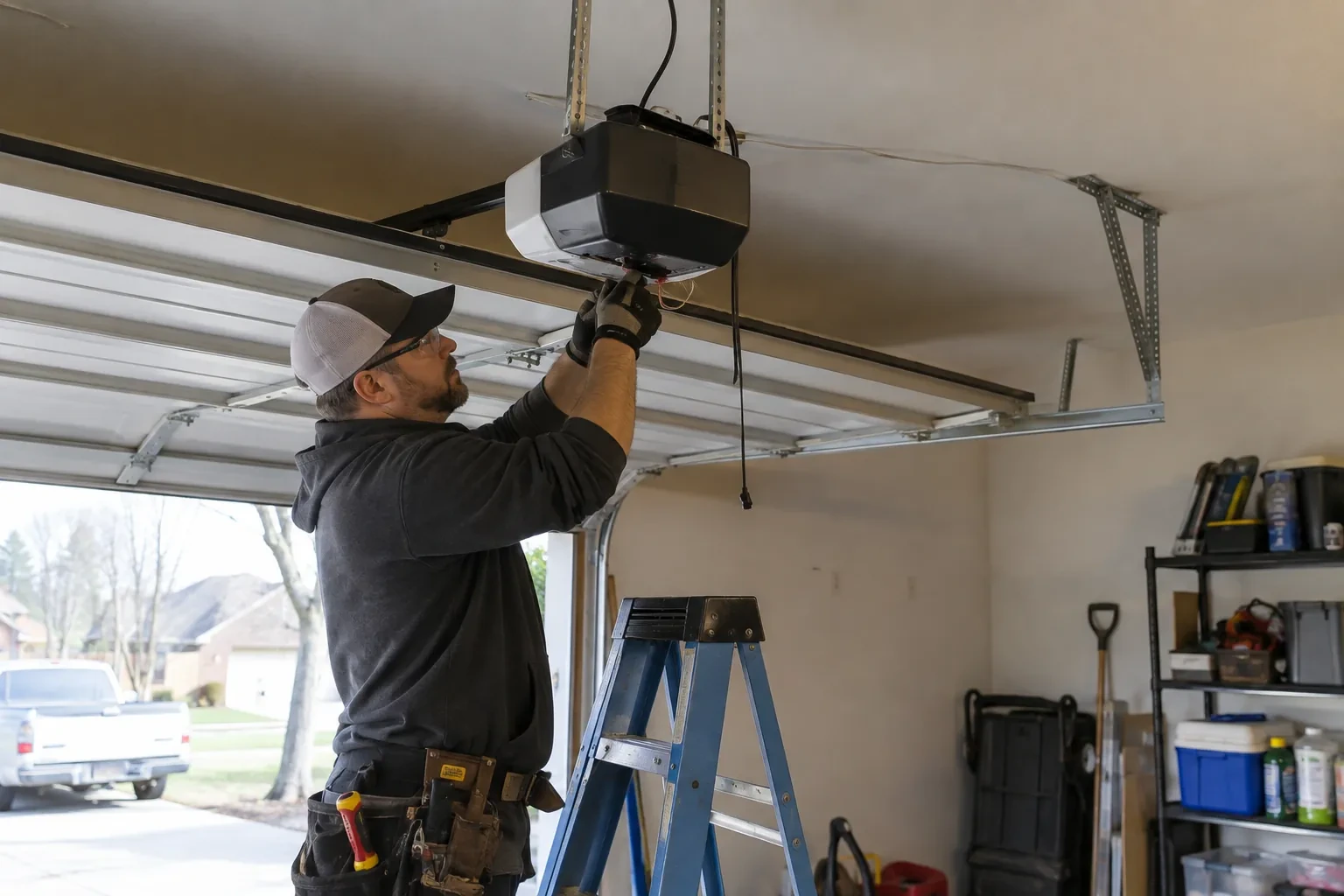
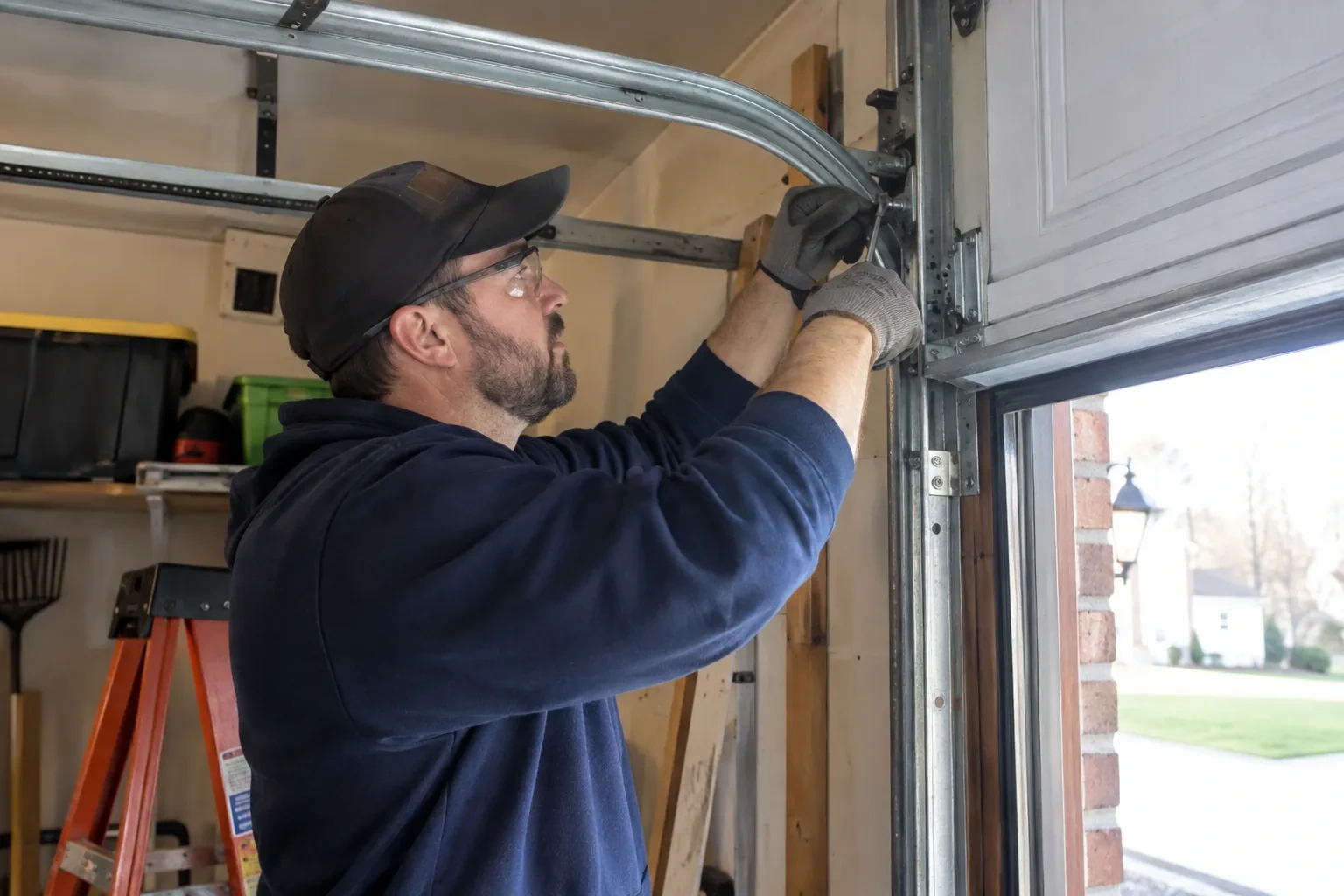
A cable visit runs in a set order. First the opener is disconnected and the door clamped so nothing can move. Then the counterbalance is unloaded so the drums, cables and bottom brackets can be handled calmly. The old cables come off, the drums and brackets are inspected, and new cables of the correct specification go on. Both sides are tensioned evenly until the door sits level, then the springs are wound back to the turns the door height calls for. Finally the door is balanced by hand, the opener reconnected and its travel and reversing checked. You are shown the finished door working before the technician leaves.
How the visit goesStanding inside with the door closed, you notice the cable on the right side near the floor has gone fuzzy. A handful of broken wires stick out like a bottle brush and the steel underneath is brown.
Garage Door Cable Replacement
How the visit goes
Making the door safe to work on
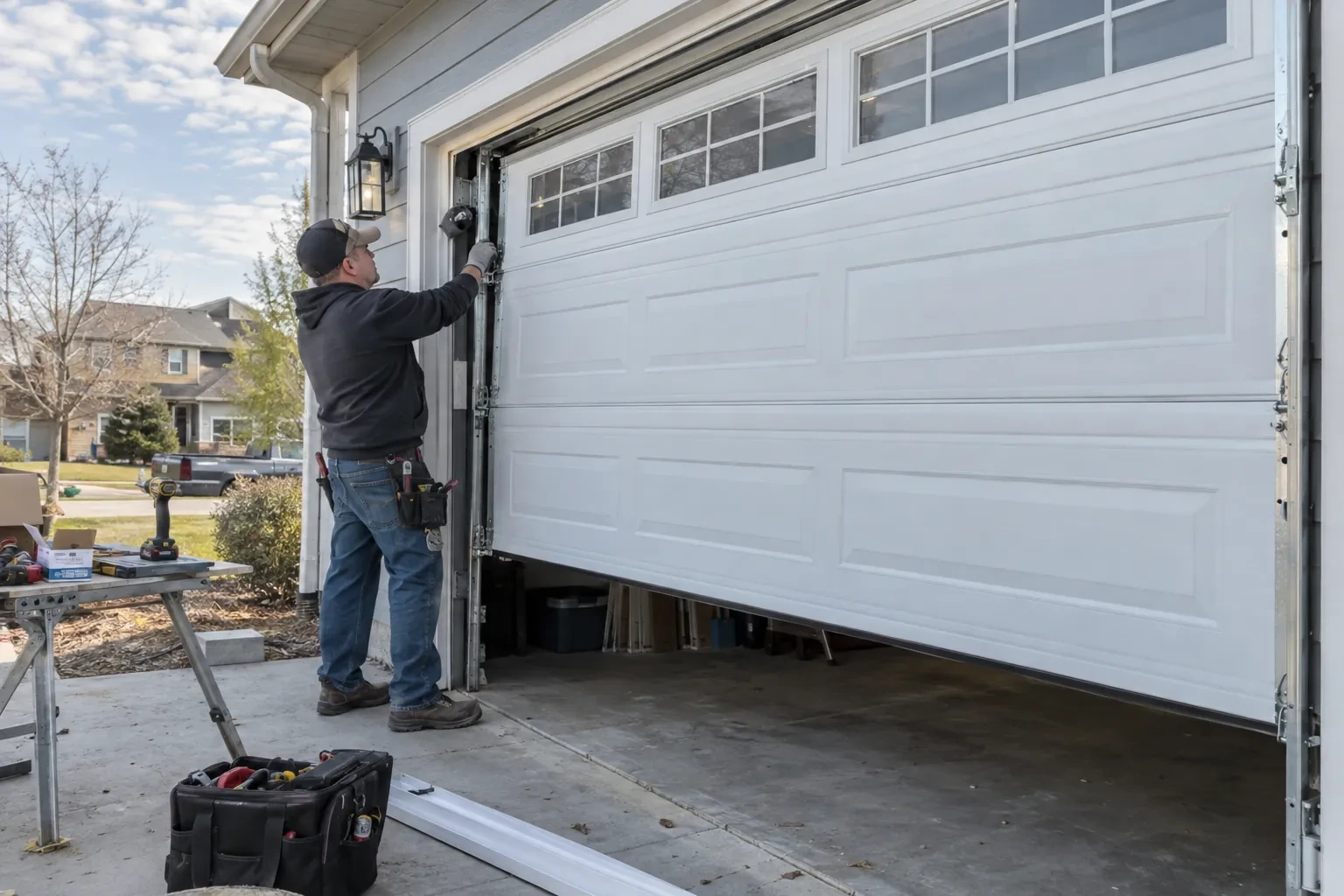
Nothing is touched until the door cannot move. The technician pulls the opener's release cord so the motor is out of the picture, clears the opening, and clamps the track just above a roller or props the door if it is jammed partway. If one cable has let go, the door is probably tipped and binding in the track, with its weight resting unevenly on the remaining cable and spring, so the first job is to take that weight on clamps or a support. Only then does the assessment of drums, springs and brackets begin. This step is calm and deliberate, and it is what allows every later step to be done with both hands.
Removing the old cables
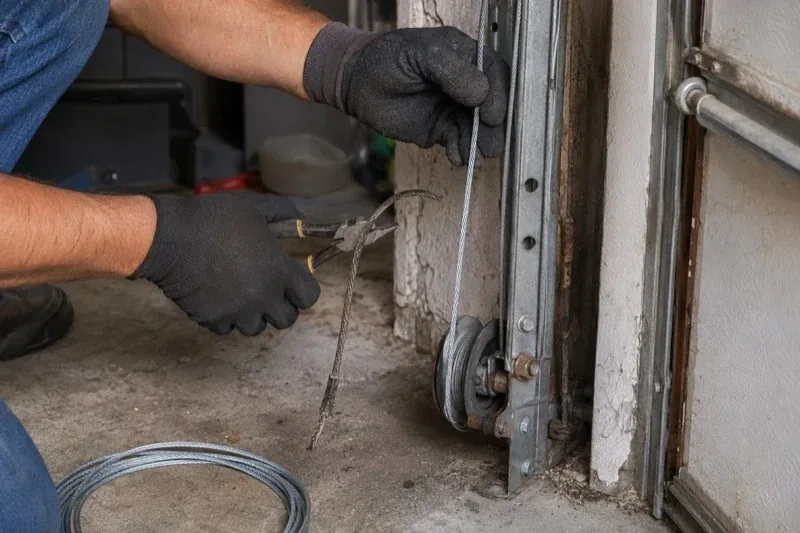
Each drum's set screws are backed off so the drum spins freely on the shaft, and the old cable is unwound from its groove and the stop slipped out of its slot. At the floor, the loop is lifted off the bottom bracket pin, or the clevis pin and cotter pin are withdrawn where the door uses them. The old cable is kept for a moment to measure against its replacement and to show you the wear that caused the call. On an extension door the cable comes off its pulleys and the adjusting clip at the track hanger. Both sides are stripped before anything new goes on.
Keeping salt and slush off the bottom hardware
The new cables will last longest if the bottom brackets stay reasonably dry. Through winter, push slush away from the door's inside edge rather than letting it pool against the bottom section, and wipe the road salt off the brackets and the lowest stretch of cable when a mild day comes. A light spray of silicone lubricant on the cable loops and bracket pins in late autumn sheds meltwater. Park so the car does not drip directly onto the corners of the door. None of this is a chore, and it addresses the one spot where cables in this climate almost always fail first.
Garage Door Cable Replacement
In the van
Silicone garage-door lubricant
Clevis pins and cotter pins
Extension-spring pulleys and sheave forks
Drum set screws
Winding bars
Garage Door Cable Replacement
What affects the quote
How the door is sitting
A door resting closed is simpler than one wedged crooked in the opening or off its track, which has to be supported and straightened before the cables can be handled.
Oversized, commercial or high-lift doors
Doors taller or wider than a standard residential opening, or fitted with high-lift hardware, use heavier cables and drums and take longer to set up, which the quote reflects.
Corrosion and seized fasteners
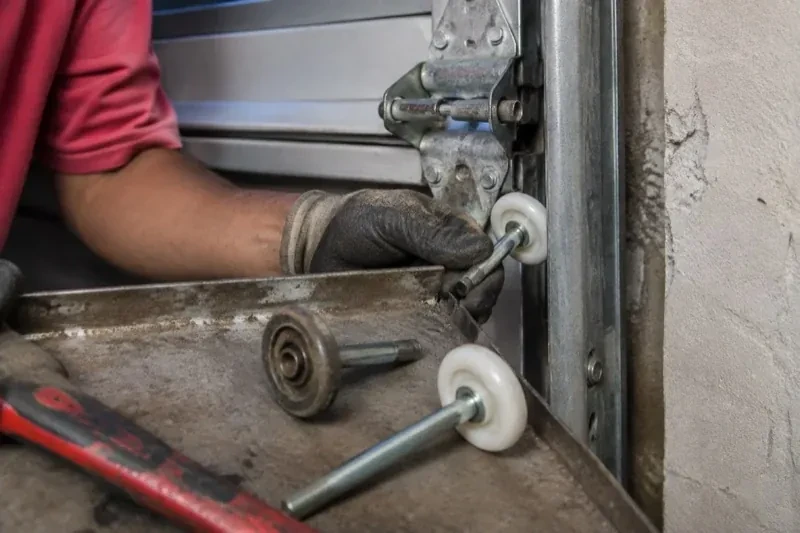
Set screws and bracket bolts that have rusted solid take time to free or cut, and badly corroded hardware is replaced rather than reused, which shows in the parts list.
What to have ready
- Do you have the door's manual or a label showing the model?
- Does the opener still run, and does it strain or reverse?
- Did the door come down on something, or did a vehicle touch it?
Garage Door Cable Replacement: questions
QuestionsWhy should the bottom brackets never be loosened by hand?
The bottom bracket is where the cable attaches, so whenever the springs are wound it carries a share of the door's weight as tension. Loosening it while the counterbalance is loaded releases that tension all at once. Many manufacturers now fit tamper-resistant fasteners for this reason. The technician unloads the springs first, after which the bracket is just a piece of hardware to unbolt and replace.
What information helps when I call?
Whether the door is sitting crooked, jammed partway or on the floor; whether you can see a cable hanging loose, frayed or wrapped around the shaft; whether there is a spring above the door or springs along the tracks; the door's rough height and whether it is a single or double; and what happened just before, such as the door coming down on something. A photo of the drum end and the bottom corner is useful.
What is the difference between a lift cable and a safety cable?
A lift cable does the work: it connects the door's bottom corner to the spring system and carries the door's weight. A safety or containment cable does no lifting at all. It runs through the middle of an extension spring and is anchored at both ends so that if the spring breaks, the pieces stay put. Torsion springs sit on a shaft and do not need one.
Related services
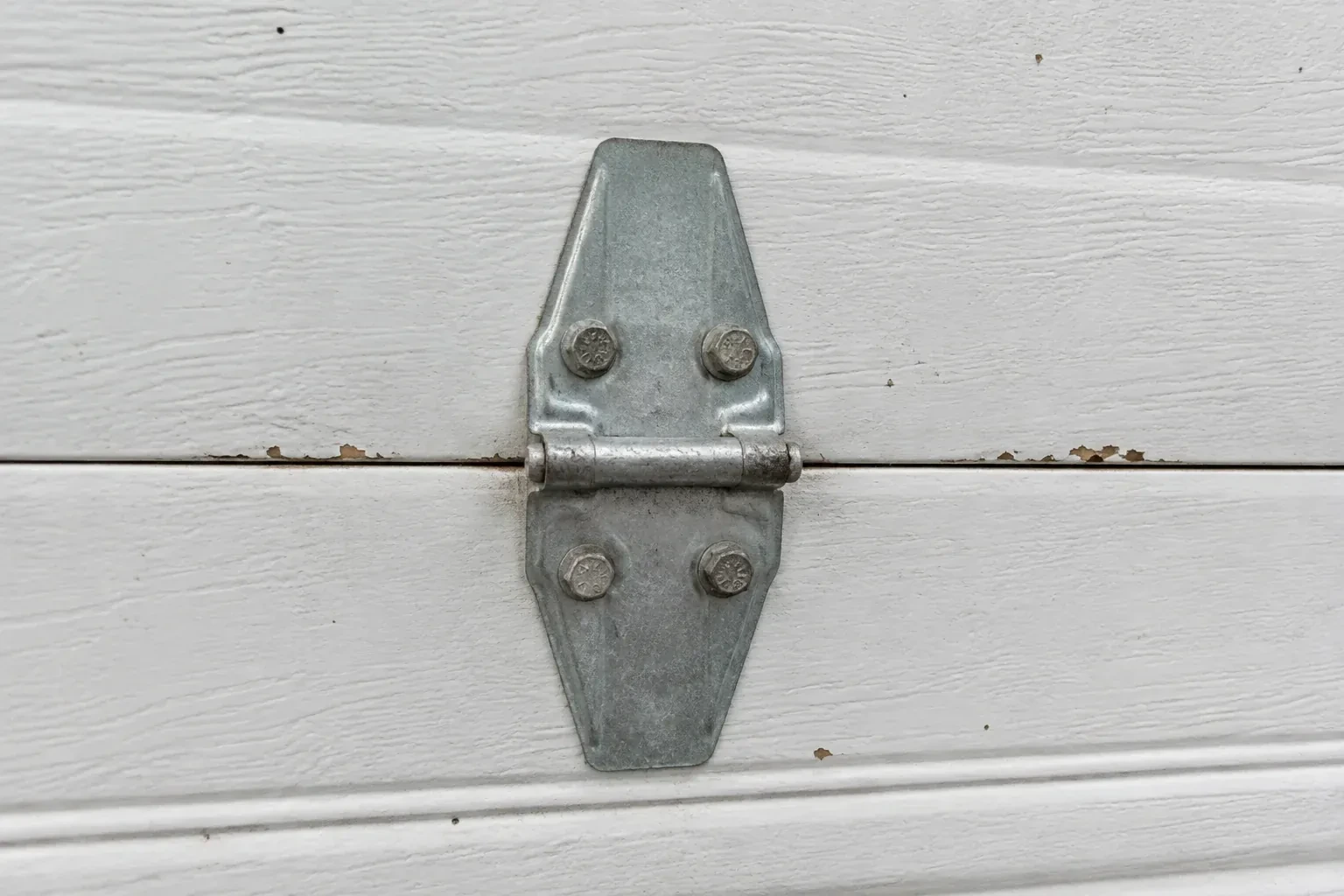
- Garage Door Hinge ReplacementWatching from inside as the door opens, you can see the gap between the second and third panels open up on one side as they turn the corner into the ceiling, then close again.
- Garage Door Track Repair or ReplacementThe garage floor has settled at one corner, and the door now scrapes the concrete on that side while daylight shows at the other.
- Torsion Spring ReplacementThe door starts to rise, gets about the height of your knee, then shudders and reverses.