New Doors · Meadowvale Village
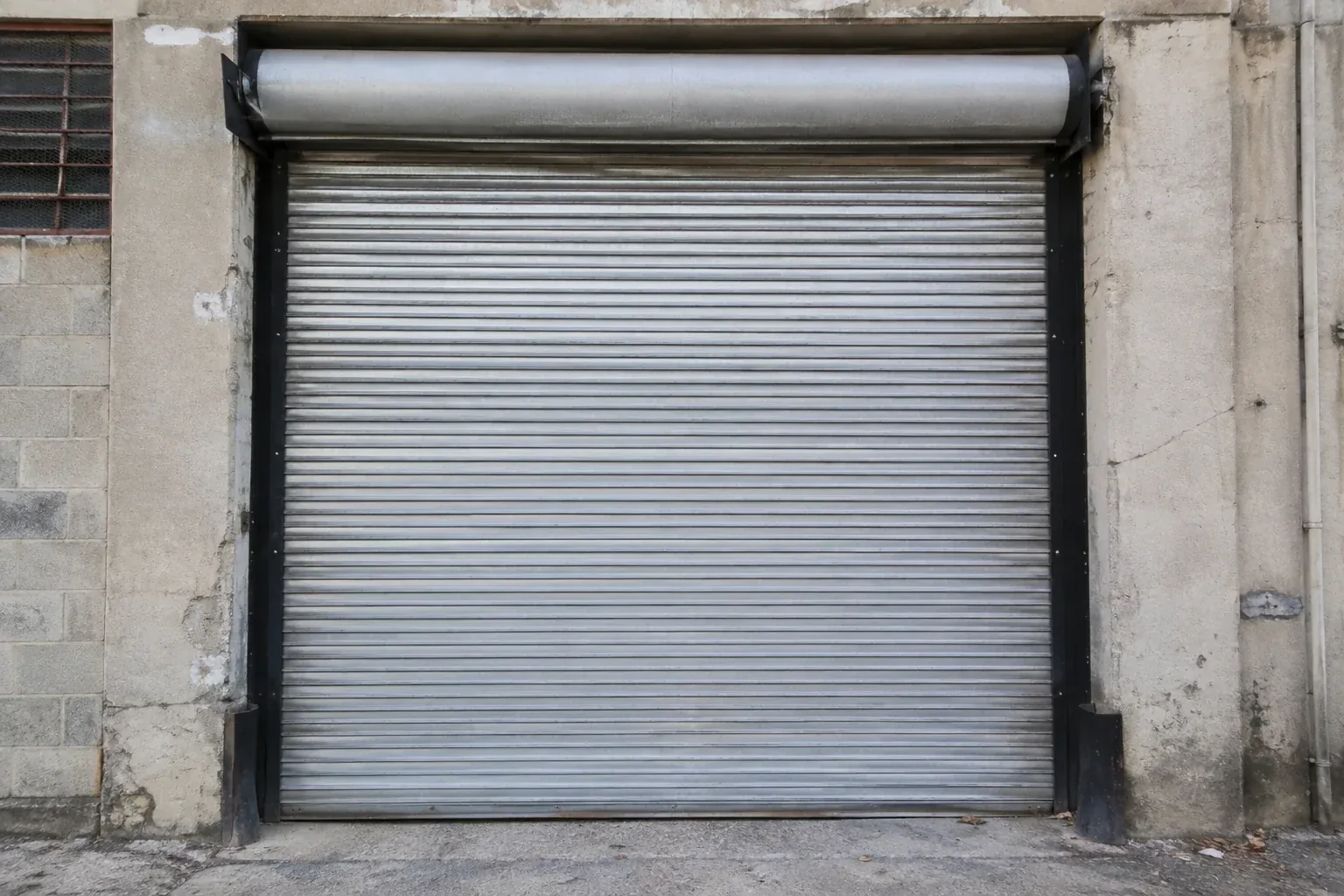
Commercial Rolling Door Repair in Meadowvale Village
The hand chain takes far more effort than it did last month.
In plain words
A labelled rolling fire door is both an operating door and part of a fire separation, so its identity shapes the repair. Labels, curtain construction, guides, release hardware and the closing path are recorded before component choices are made. Parts and procedures must suit the listed assembly, while inspection, release testing and documentation remain visible in the scope. The normal operating function is checked alongside the applicable fire-door sequence. This produces a repair record the facility can retain with its fire-safety information and keeps unrelated alterations from being folded casually into routine rolling-door work.
How the visit goesThe wall control asks the door to close, but the operator hums and stops. The curtain remains overhead while the control light and the photoelectric sensors suggest that the powered system needs a connected diagnosis.
Commercial Rolling Door Repair
How the visit goes
Control both sides of the opening
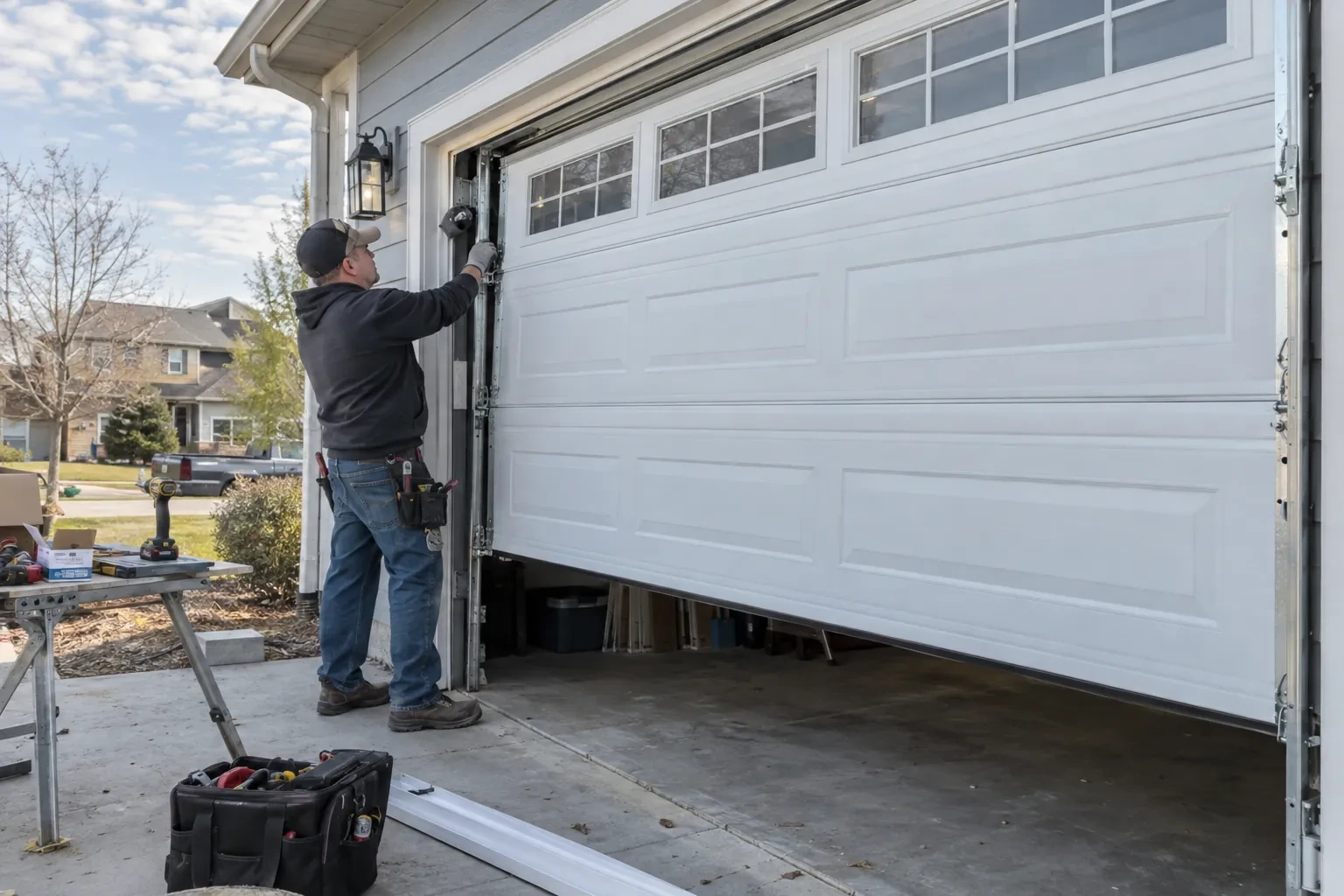
A commercial doorway joins two active work areas, so assessment begins by making the space predictable. Vehicle routes, pedestrian paths, stacked goods and scheduled deliveries are identified on the inside and outside. The control station and electrical disconnect are located, and the curtain's current position is considered before anyone approaches the guides or hood. Barriers and a site contact keep movement coordinated while inspection is underway. With the traffic area settled, the technician can observe the door deliberately and secure it in the position needed for measurements instead of working around changing facility activity.
Set controls and protective response
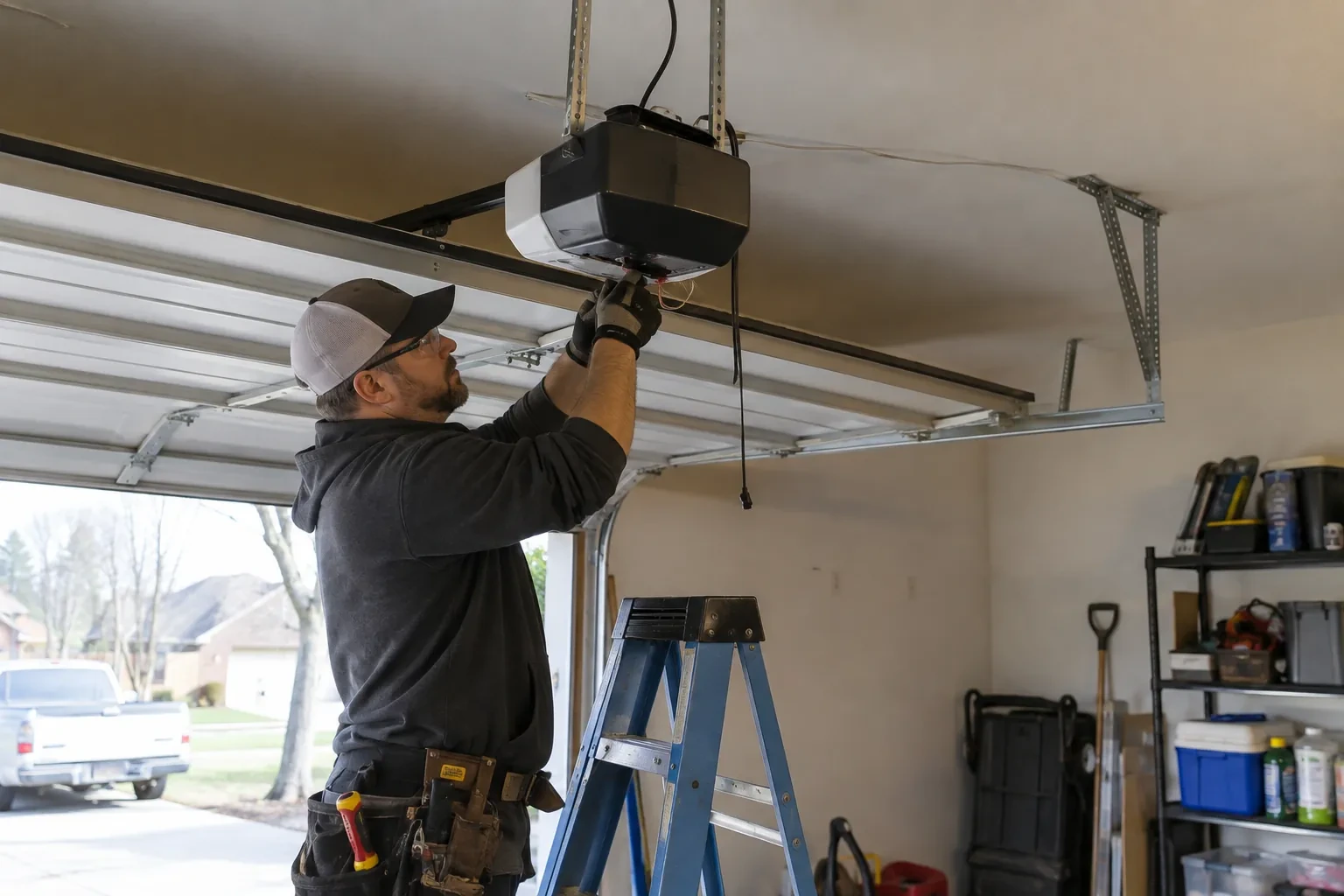
Control and protection devices are returned to their documented roles. Photoelectric sensors are aligned and secured at the required position for the operator system, sensing edges are inspected for full-length response, and damaged cables or connectors included in the scope are renewed. Key stations, three-button controls and access inputs are checked without retaining private codes. During testing, an intentional beam obstruction or edge activation is introduced in a controlled manner to observe the operator's response. Vehicle-detection accessories are tested separately from entrapment-protection devices so each function is understood and recorded accurately.
A square close and usable lock
The closed door meets the sill evenly, which lets the bottom seal, slide bolts and keepers do their jobs without staff pulling the curtain sideways. Locks are demonstrated only after alignment and limits have been settled, and any operator interlock is included in that demonstration. The person responsible for closing can see the sequence: bring the door fully down, confirm contact across the threshold and engage the intended hardware. Keeping the sill clear of pallet wrap, ice and loose debris helps preserve that result, while a lock that begins missing its keeper becomes an early alignment clue rather than a nightly struggle.
Commercial Rolling Door Repair
In the van
Counterbalance spring assembly
Sensing edge and controls
Barrel and headplate brackets
Bottom bar and astragal
Hand-chain hoist components
Commercial Rolling Door Repair
What affects the quote
Access above the opening
Ceiling height, hood location, stored goods, mezzanines and nearby services affect safe reach to brackets, barrel and operator. Lifts, platforms and material-handling arrangements are planned accordingly.
Curtain position when work begins
A curtain resting closed, stopped mid-travel or held near the hood presents a different securing and access plan. Its position affects how components can be reached and supported.
Cause of the failure
Impact, gradual wear, corrosion, freezing, building movement and a control fault can produce similar symptoms. The verified cause determines whether cleaning, adjustment, component renewal or wider coordination belongs in scope.
What to have ready
- Are any indicator lights showing on the operator or controls?
- Has manual effort, noise or travel changed gradually?
- Can both sides of the opening be cleared for work?
Commercial Rolling Door Repair: questions
QuestionsWhat happens to a powered door during a power interruption?
Commercial operators commonly include a manual hoist, hand chain or disconnect arrangement, but the sequence varies by system. Staff are shown the intended changeover and normal manual effort after repair. The door must still move freely and remain balanced; the emergency method is an operating feature, not a substitute for correcting a binding curtain or worn component.
Are photoelectric sensors and vehicle detectors the same thing?
They can serve different purposes. A monitored photoelectric device may be part of the operator's entrapment-protection system, while a higher beam, loop or other accessory may be intended to detect vehicles or support traffic flow. The installed operator information establishes each role, and added vehicle protection does not replace the primary protective device required by that system.
Can a door stuck partly open be repaired in that position?
The position becomes part of the repair plan. Traffic is controlled, the curtain is supported or secured, and its weight and stored spring energy are managed before a guide or drive component is released. Depending on the fault, the door may be brought to a safer working position under control before the component repair begins.
Related services
- Insulated Steel Garage Door InstallationYou want windows for natural light without turning the garage into a cold glass wall.
- Wind-Rated Garage Door ReplacementThe property faces open fields, leaving the garage frontage more exposed than neighbouring homes sheltered by trees and buildings.
- Carriage-House Garage Door InstallationYou appreciate the grain and depth of traditional wood doors, though regular refinishing is not part of your plan.